
You're about to share sensitive documents with someone. Maybe it's an investor, an acquirer, a legal team, or a client. Someone tells you to set up a data room. You open Notion because it's already sitting in your tabs. That feels reasonable, but depending on what's at stake, it might cost you.
Here's the honest breakdown.

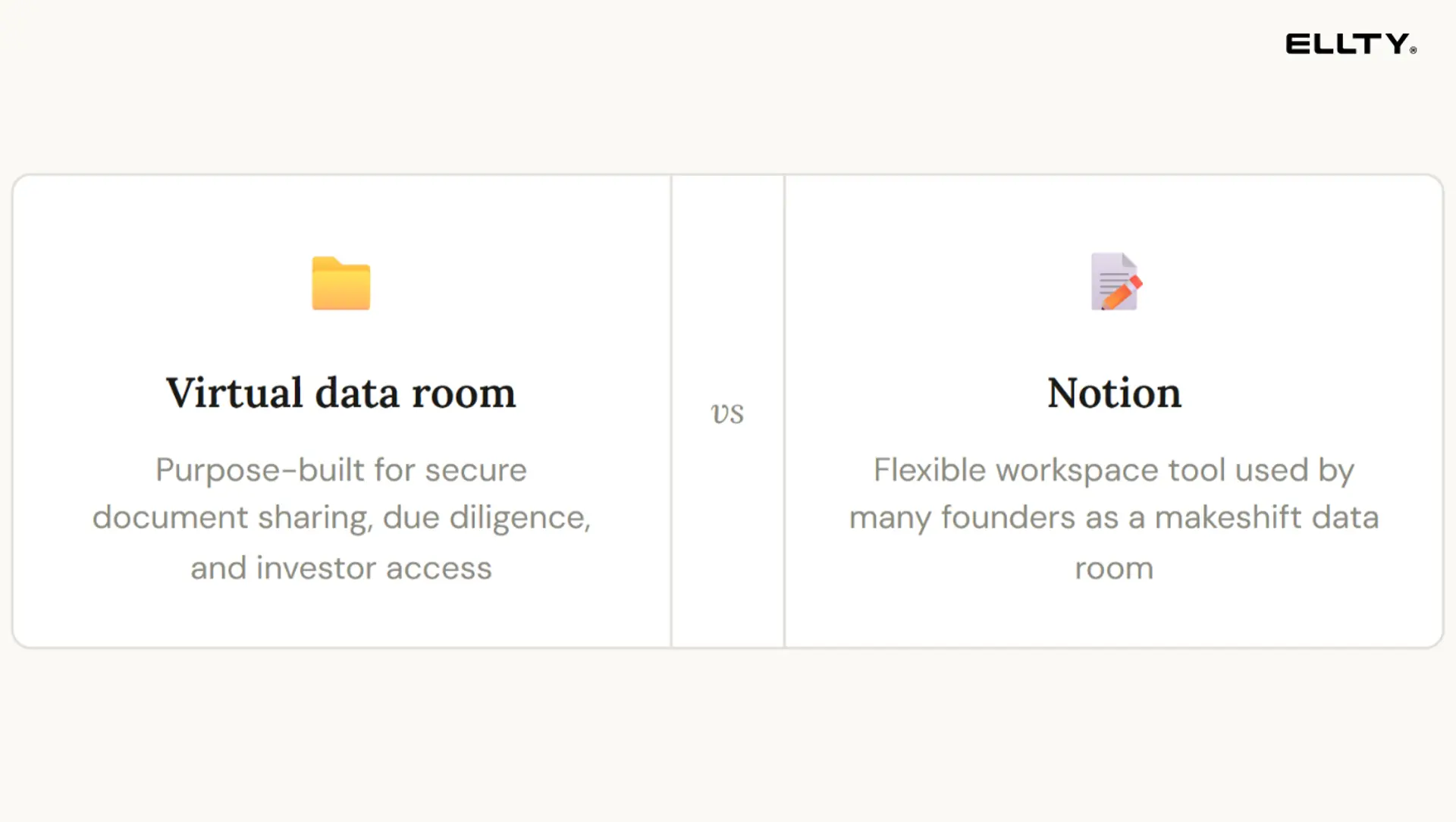
What is a virtual data room?
A virtual data room (VDR) is a secure online space where you share sensitive documents - financials, contracts, legal agreements, property files, intellectual property - with whoever needs to review them. Investors, buyers, auditors, lawyers, partners.
The original use case was M&A due diligence, where both sides needed a controlled way to exchange hundreds of documents without emailing zip files back and forth. That's still one of the biggest use cases today.
But data rooms are used across industries:
- M&A teams sharing financials and legal docs during an acquisition
- Consulting firms delivering reports and sensitive client deliverables
- Real estate professionals sharing property documents, title deeds, and contracts with buyers or lenders
- Startups and investors during fundraising rounds and ongoing investor updates
- Legal teams managing case files or contract reviews
- Anyone who needs to share confidential documents without losing control of them
The core value of a data room isn't storage. It's control. You decide who sees what, for how long and you get to see whether they actually looked at it.
A data room is not a shared Google Drive folder. It's not a public Notion page. It's a purpose-built environment where access is tracked, permissions are granular, and you're not one accidental "copy link" away from leaking something you didn't intend to share.
Quick definition
Data room = secure document sharing + access control + audit trail.
If your current setup doesn't have all three, it's not really a data room.
How people use Notion as a data room
A lot of people try Notion as a data room — especially early on. It works to a point.
The appeal is obvious: it's free, it's fast, and you don't have to learn a new tool. Some teams build a simple page with sections like Team, Product, Financials, and Legal. That can be fine when you're sharing with two or three people you already know and trust.


But Notion has hard limits that start to matter the moment things get serious - a real due diligence process, a property transaction, a client deliverable that can't leak. Here's what Notion simply can't do:
- Tell you which person opened which document, and how long they spent on page 7 of your deck
- Revoke access to a single document without changing the entire page's permissions
- Add watermarks to prevent screenshots or printing
- Gate access behind an NDA that must be signed before anyone enters
- Generate a full audit log of every action taken in the room
- Restrict downloading of specific files
Notion data room template - what to include

Whether you use Notion or a proper VDR, the content depends on what you're using it for. Here's a breakdown by use case.
Startups raising a pre-seed or seed round
- Pitch deck (latest version)
- Executive summary (1–2 pages)
- Team bios and LinkedIn profiles
- Product demo or walkthrough video
- Key metrics dashboard
- Market sizing and competitive landscape
Startups at Series A and beyond (full due diligence)
- Cap table (fully diluted)
- 3-year financial model with assumptions
- Last 12–24 months of financials (P&L, balance sheet, cash flow)
- Customer contracts (key ones, anonymized if needed)
- Employment agreements and option grants
- IP ownership documentation
- Corporate documents (articles, shareholder agreements, past board minutes)
- Technical architecture overview
- Data privacy and security policies
- Reference list (customers, advisors)
M&A transactions
Whether you're buying, selling, or merging, due diligence in M&A involves a lot of documents and a lot of people who shouldn't all see the same things.
- Company financials (audited, if available)
- Legal entity structure and ownership records
- Key contracts (customers, suppliers, leases, loans)
- IP and trademark documentation
- Employee headcount, org charts, and key employment agreements
- Pending or past litigation
- Environmental, compliance, or regulatory records (where applicable)
- Integration or transition planning documents
Real estate transactions
Buyers, sellers, lenders, and lawyers all need access to different documents at different stages. A data room keeps it organized and controlled.
- Title deeds and ownership documents
- Property inspection and survey reports
- Lease agreements (for income-producing properties)
- Environmental assessments
- Zoning and planning permissions
- Financial statements for the property
- Photos, floor plans, and valuation reports
- Mortgage or financing documents
Consulting and professional services
Consultants often share sensitive deliverables with clients - strategy reports, financial analyses, internal audits. A data room keeps those protected and professional.
- Engagement letters and contracts
- Research reports and deliverables
- Financial models and analysis
- Presentation decks and recommendations
- Supporting data and sources
- Revision history or version-controlled documents
Legal and compliance teams
- Case files and court documents
- Signed contracts and amendments
- Regulatory filings
- NDA records
- Compliance audit reports
- Correspondence and evidence files
A practical tip: Don't upload everything at once. Start with the high-level materials. Only share deeper, more sensitive documents once there's a serious conversation happening - a term sheet, a signed NDA, or a confirmed buyer. This protects your information and creates a natural, professional process.
Virtual data room vs Notion: feature comparison
Here's an honest side-by-side. No marketing spin - just what each tool actually does.

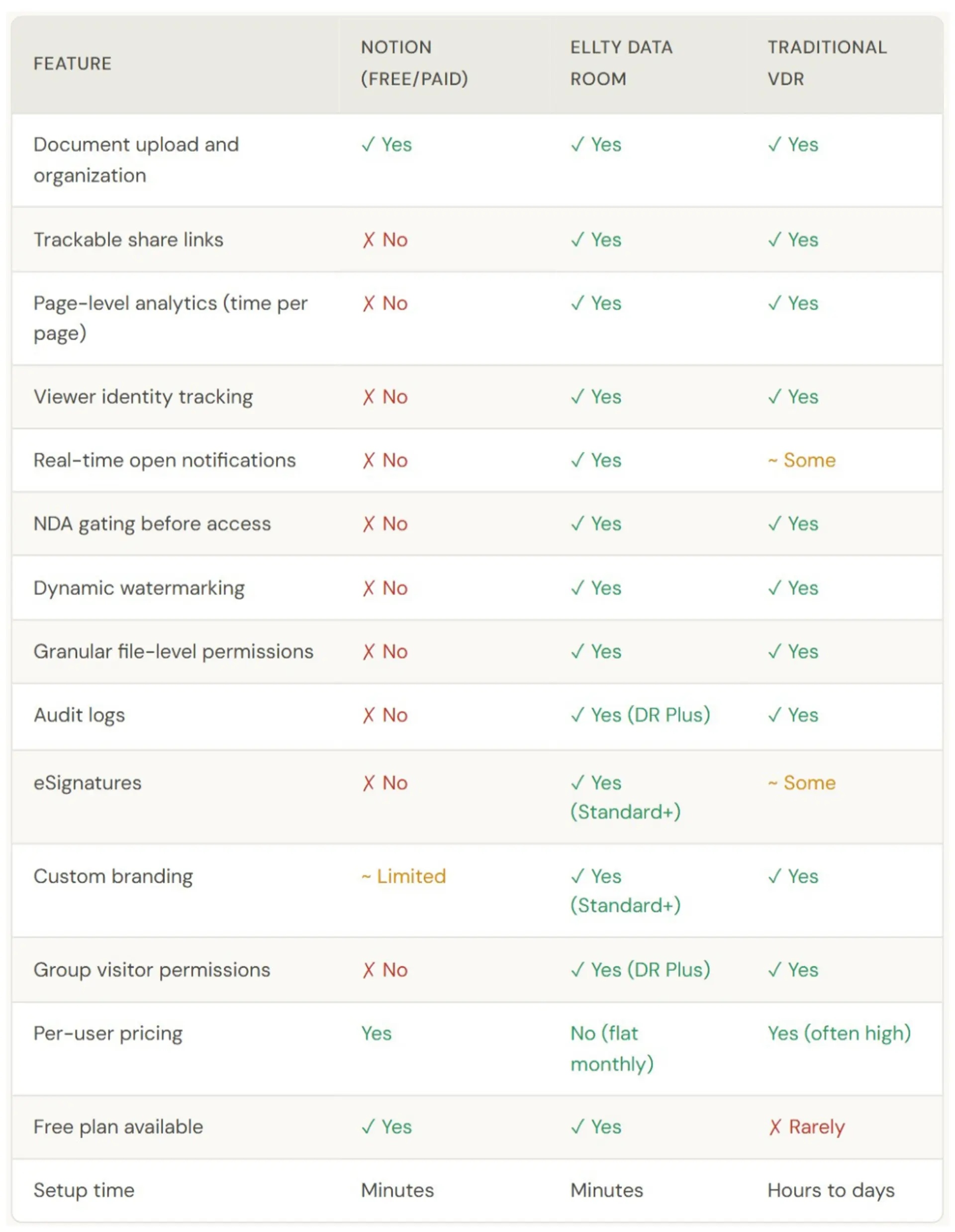
The gaps in Notion's column aren't bugs. Notion is a workspace and collaboration tool, it was never designed to protect sensitive documents during high-stakes transactions. For casual internal sharing, it's fine. But when the stakes go up - a deal, an audit, a client deliverable, a property sale - those gaps start to matter.

Why are virtual data rooms so expensive?
This is one of the first things people notice when they start looking for a VDR. You search for options, request pricing, and suddenly you're looking at $500–$2,000 per month. For something you might only need for 60 days during a deal.
Here's why that happens:
They were built for Wall Street, not the rest of us
VDRs were originally designed for investment banks, law firms, and private equity firms running billion-dollar M&A deals. At that scale, $1,500/month is a rounding error. The original customer wasn't a founder or a small consulting firm - it was a managing director at a major PE fund. Pricing was built around that.
Per-user and per-page pricing adds up fast
Most legacy VDR providers charge per viewer seat or per gigabyte. Share with 10 people, pay for 10 seats. If your deal drags on for three months, that bill multiplies. These models were never designed with lean teams or short-term deals in mind.
You're paying for things you'll never use
Traditional providers bundle in features like Q&A modules, multi-language support, and dedicated account managers - all baked into the base price. Most people use maybe 30% of what they're paying for.
The reality is that most people don't need an enterprise VDR. They need secure document sharing, basic access controls, and visibility into who's looking at what. That's a much smaller problem and it shouldn't cost $1,500/month.
Newer platforms have rebuilt the data room experience from the ground up, for a different kind of buyer. Ellty, for example, doesn't charge per user. You pay a flat monthly rate no matter how many people you share with, whether that's 3 investors or 30 buyers.
Virtual data room vs Notion cost
Let's put real numbers next to this comparison so it's not abstract.
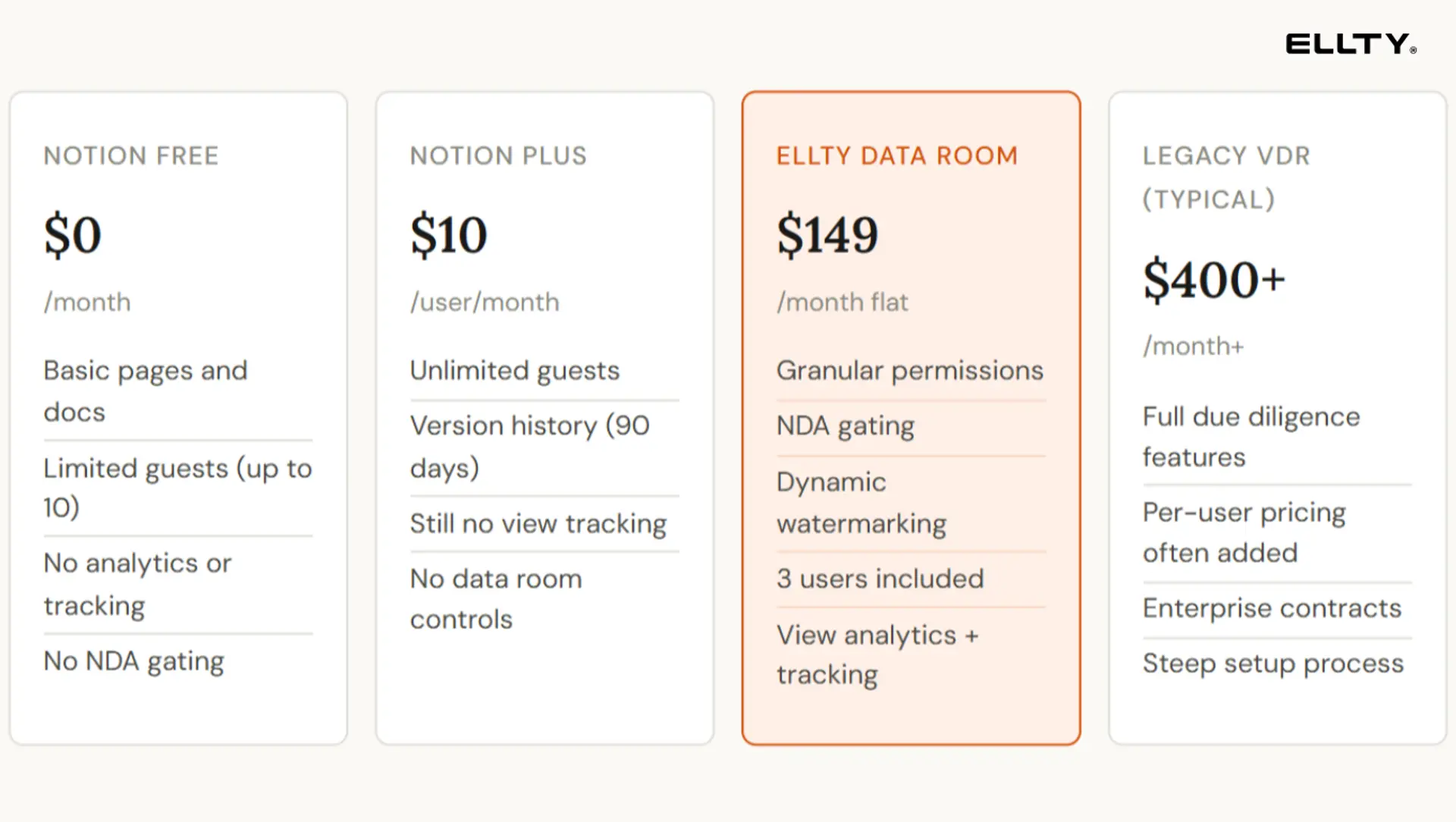
Ellty Standard plan ($69/month) includes unlimited documents, advanced analytics, eSignatures, and custom branding. The Data Room plan ($149/month) adds NDA gating, watermarking, granular permissions, and restricted visitor access. For most deals - a fundraise, a property transaction, a consulting engagement - that covers everything you need.
There's also a free plan that includes document tracking, real-time analytics, and secure sharing with no time limit. If you're just getting started or sharing a pitch deck with a handful of people, that's a perfectly reasonable place to begin.
5 alternatives to Notion for document sharing and data rooms
1. Ellty

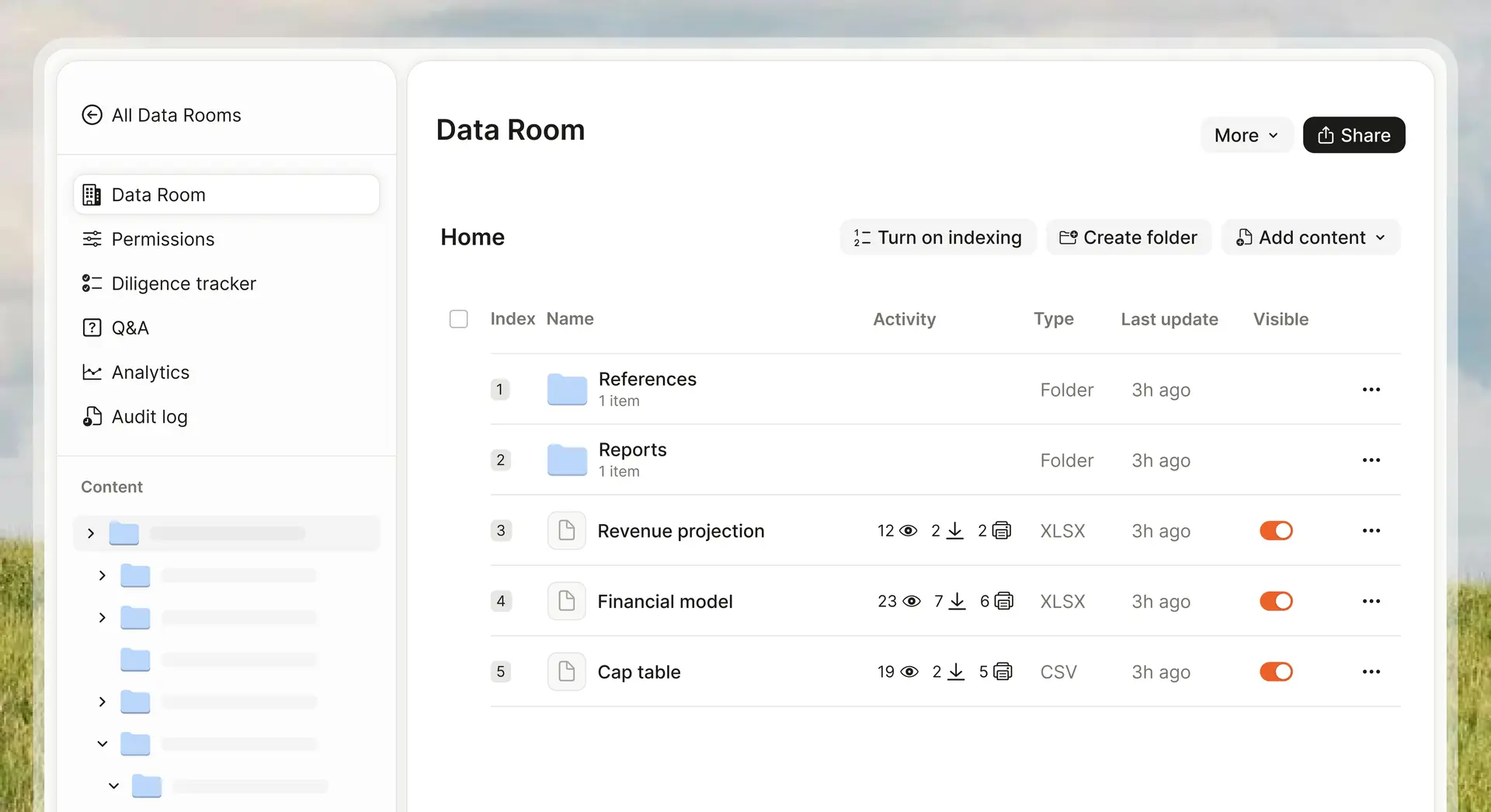
Ellty is built for anyone who needs to share documents securely - founders raising capital, consultants delivering client work, real estate professionals closing deals, or M&A teams running due diligence. Unlike Notion, it was designed specifically around document control and visibility. You get granular permissions, real-time tracking that shows exactly who opened what and for how long, NDA gating, watermarking, and a full audit trail. There's no per-user pricing, which makes it significantly more affordable than legacy VDR tools, especially for short deals or smaller teams. The free plan already includes document tracking and secure sharing, making it easy to get started without a credit card. When the stakes go up, the paid plans add everything a proper data room needs without the enterprise price tag.

2. DocSend
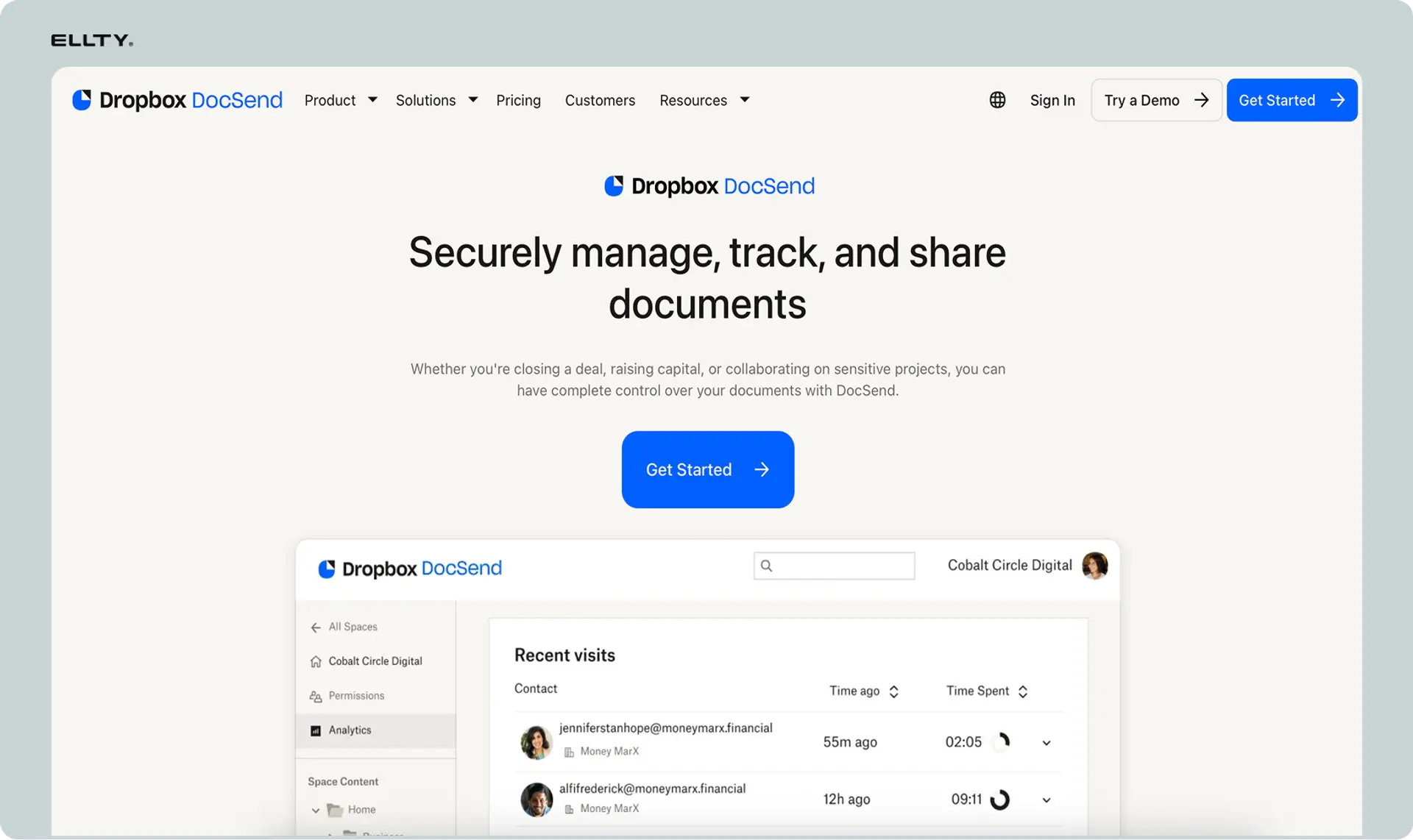
DocSend is a document sharing platform built around tracking and analytics. It's widely used by founders sharing pitch decks with investors, but it works just as well for sales teams, consultants, and anyone who needs to know how their documents are being received. You get per-page analytics, link controls, and the ability to turn access on or off at any time. It also supports data rooms with NDA gating and granular permissions. The main drawback is pricing - it gets expensive quickly, especially when you need multiple users or advanced data room features. DocSend is a solid tool, but it was primarily designed around the pitch deck use case, so teams with broader document sharing needs may find it limiting or over-priced for what they actually use.
3. Dropbox
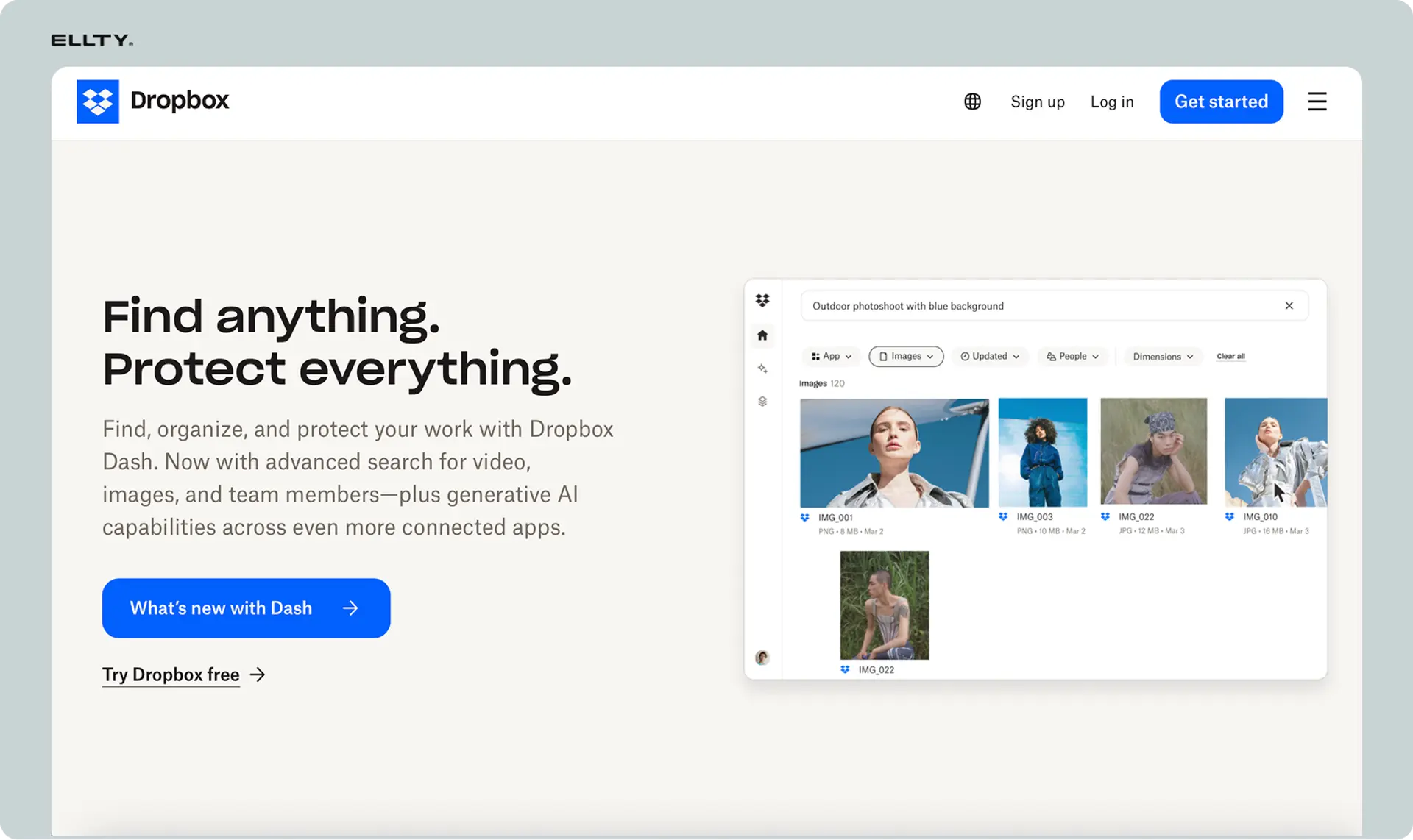
Dropbox is one of the most recognized file storage and sharing tools out there. It's easy to use, reliable, and most people already have an account. For basic document sharing, it works fine. You can organize files into folders, set sharing permissions, and collaborate on documents. However, it was built as cloud storage, not a data room. It lacks the features that matter most during high-stakes transactions - there's no document-level tracking, no audit trail, no NDA gating, and no watermarking. If someone forwards a link, you have no way of knowing. For everyday file sharing within a team, Dropbox is perfectly adequate. For anything involving sensitive documents, due diligence, or deal-making, it falls short of what a proper data room should do.
4. Google Drive
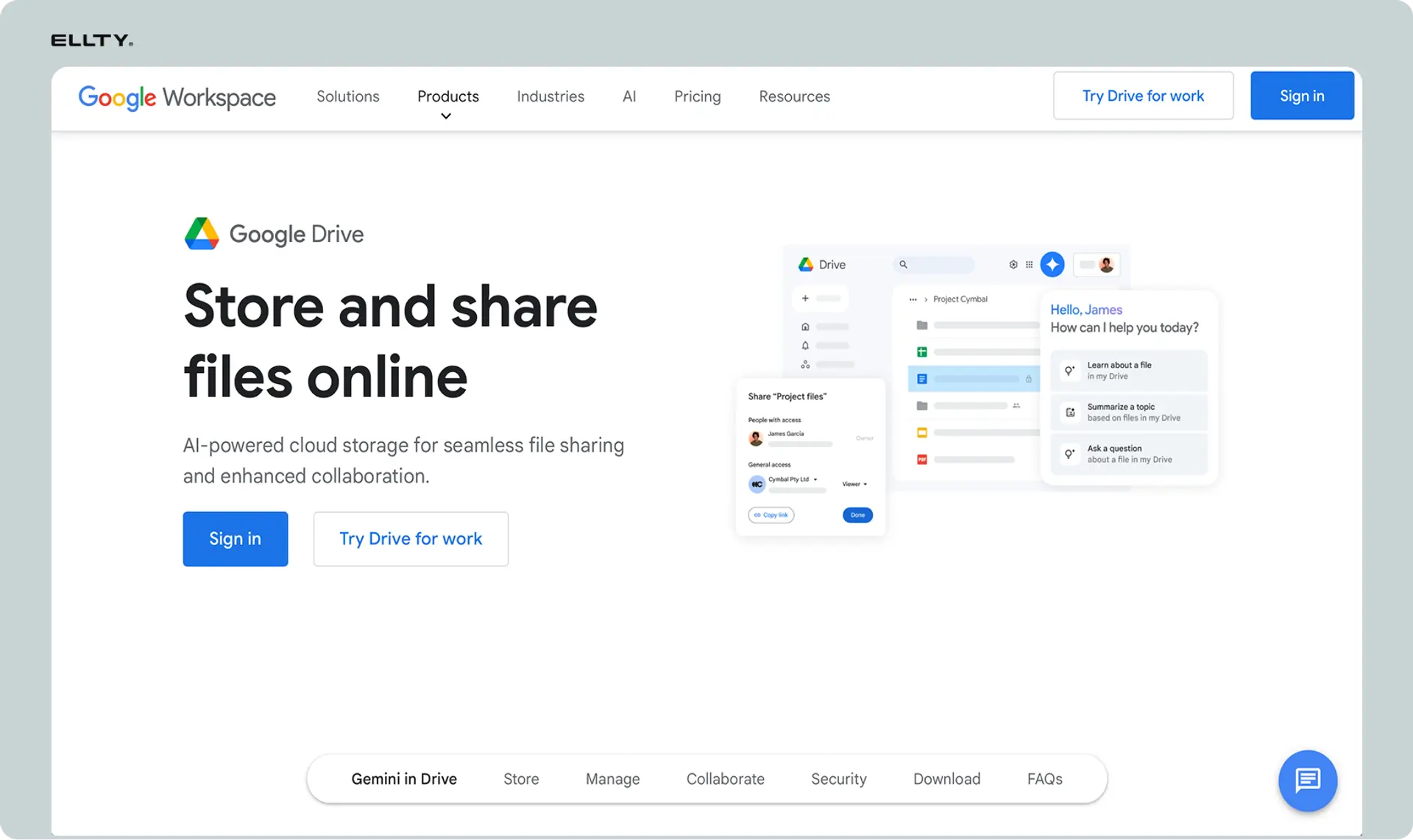
Google Drive is free, familiar, and fast to set up. Most people already use it, which makes it a common default when someone needs to share documents quickly. You can organize files into folders, control who has access, and share links with specific people. For internal collaboration or low-stakes sharing, it works well. But like Dropbox and Notion, it was never designed for secure, controlled document sharing in a deal context. There's no tracking to see who viewed what, no audit log, no watermarking, and no way to restrict downloads on a per-file basis. Anyone with a link can potentially share it further without your knowledge. It's a solid everyday tool, but it's not a data room and using it as one during a serious transaction carries real risk.
5. Digify


Digify is a purpose-built document security platform that sits closer to a proper VDR than most tools on this list. It offers features like document tracking, access expiry, watermarking, screenshot protection, and remote file deletion, which means you can revoke access to a document even after someone has downloaded it. It's used across industries including fundraising, M&A, legal, and media. The interface is straightforward and the setup is relatively quick compared to legacy enterprise VDRs. Pricing is more accessible than traditional providers, though it can still add up depending on the plan and number of users. For teams that need strong document security controls without going through a full enterprise VDR procurement process, Digify is a practical and capable option worth considering.
Frequently asked questions
Why are virtual data rooms so expensive?
Traditional VDRs were built for enterprise M&A transactions, not small businesses. The original customers were investment banks and law firms managing billion-dollar deals, where $2,000/month is irrelevant. Legacy providers also charge per user seat, which compounds quickly. Newer platforms have rebuilt VDR functionality specifically for light use cases and secure document sharing - these tend to use flat monthly pricing and are considerably more accessible. Ellty Data Room plan, for example, is $149/month with no per-seat fees.
Can I use Notion as a data room?
You can, and many early-stage companies do. Notion is great for organizing documents and sharing them with a small number of people. But it's missing several things that matter during formal due diligence: you can't track who viewed which document or for how long, you can't gate access behind an NDA, you can't add watermarks to prevent unauthorized sharing, and there's no proper audit log. For warm intros and early conversations with angels, Notion works fine. Once you're in serious deals, you'll want a proper data room tool.
What's a good Notion data room template structure?
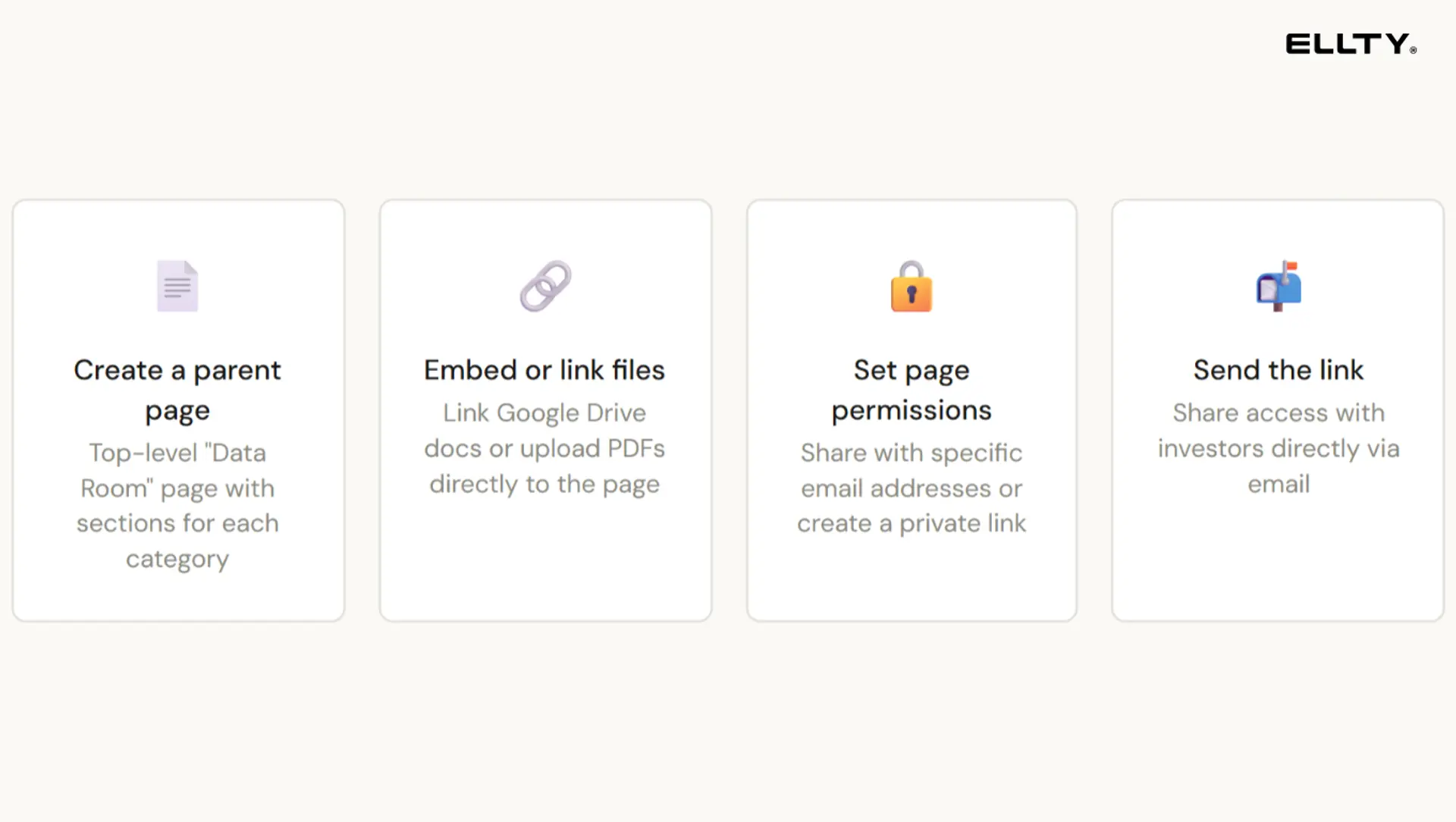
If you decide to use Notion, keep it simple. Create a parent page called "Data Room" with sub-pages for: Company Overview, Team, Product, Market, Financials, Legal, and References. Link or embed documents in each section. Set the page to "invite only" and share via email rather than creating a public link. The structure should mirror how a VC diligence checklist is organized, not how you think about your business internally. That said, remember you won't get any visibility into whether viewers are actually reading the materials.
How does Ellty compare to Docsend for pitch decks?
Both platforms offer pitch deck analytics and trackable links. Docsend is well established for deck sharing and also has data room functionality. Ellty offers data room features without per-user pricing - you pay a flat monthly rate whether you share with 3 or 30 visitors. Ellty plans start at $69/month for advanced analytics and eSignatures, with a free plan available. The right choice depends on whether you need the additional features in each platform's paid tier and what pricing model works for your stage. Both are more capable than Notion.
Do investors expect a formal data room?
At seed stage, expectations vary. Angel investors and smaller funds often don't ask for a formal data room, a well-organized deck and a few supporting documents are enough to get to a term sheet. As you move into Series A and beyond, institutional investors will typically request a proper data room as part of due diligence. Using a real VDR, even a lightweight one, signals that you take process and document security seriously. Sending investors to a public Notion page for sensitive documents can raise questions, even if it's just a perception issue.
How long does it take to set up a data room with Ellty?
Most teams can have a basic data room live in under 30 minutes. The setup process involves creating your workspace, uploading documents, organizing them into folders, and setting permissions for each section. You can then generate a trackable link to share with the other parties. There's no lengthy onboarding or sales process involved with self-serve plans. If you already have your documents organized, the actual setup is mostly just uploading files and configuring access.
What is dynamic watermarking in a data room?
Dynamic watermarking adds identifying information, typically the viewer's name and email, to documents as they're viewed. So every copy they see or screenshot they take is traceable back to them. This is a meaningful deterrent against unauthorized sharing of sensitive documents like your cap table or financial model. It's available on Ellty Data Room plan and above.
The bottom line
Notion is a great tool. It's just not a data room and that difference matters more than most people realize until they're in the middle of a real deal.
For early, informal sharing - a few people you already know, a warm intro, a quick document review - Notion gets the job done. But the moment things get serious - due diligence, financials, legal documents, NDAs, multiple stakeholders - you need something purpose-built.
You don't have to choose between a free Notion page and a $1,500/month enterprise contract. There's a middle ground, and it's more accessible than it used to be.
Whatever tool you use, make sure you know who's actually looking at your documents. In a deal, whether it's a fundraise, an acquisition, or a client engagement, that visibility shapes everything that comes next.
Author

Anika Tabassum Nionta is a Content Manager at Ellty, where she writes about secure document sharing, virtual data rooms, M&A, due diligence, fundraising, and sales enablement. With over 6 years of writing experience, she helps professionals understand how to share confidential documents securely, track engagement, and manage deals more effectively. Anika holds both a BA and MA in English from Dhaka University. Outside of work, she enjoys reading, exploring new cafes in Dhaka, and connecting with entrepreneurs and dealmakers in her community.

