South Carolina commercial property has three checks that move the deal: SC requires a licensed attorney to supervise all real estate closings (no escrow-only closings), hurricane and tidal flooding risk that has accelerated in the Charleston Lowcountry, and PFAS contamination from military base firefighting foam affecting commercial groundwater in multiple SC counties.
South Carolina Code Section 40-5-350 requires that all real estate closings be supervised by a South Carolina licensed attorney. Title companies can facilitate the process but an SC-licensed attorney must certify title and supervise the closing. For commercial deals: engage your SC closing attorney before diligence begins; they coordinate the title search, deed stamps, and closing mechanics.
SC Deed Recording Fees (documentary stamps) run $1.85 per $500 of consideration, or approximately 0.37% of the purchase price. On a $5M commercial deal that's approximately $18,500 in deed recording fees, typically a seller's obligation. No mortgage recording tax in South Carolina.
Hurricane risk is the defining insurance and physical risk variable for SC coastal commercial assets. Hurricane Hugo (1989, Cat 4 near Charleston) remains the benchmark catastrophic event. More recent: Matthew (2016) and Dorian (2019) caused significant commercial flooding in coastal and low-lying inland areas. Charleston's tidal flooding from king tides is increasing in frequency and now affects some commercial streets even without storms.
Set up an Ellty data room before diligence opens. Load ALTA title commitment, SC DHEC records, FEMA flood maps, and lease files before your attorney and advisors engage.
Where South Carolina property deals go wrong
Not every check carries the same weight. The table below sorts risks by deal impact - dealbreakers first, then what moves the price, then basic hygiene - so your SC attorney and technical advisor know what to clear first.
| Area | Documents to pull | SC red flag | Matters most for | Tier | |
|---|---|---|---|---|---|
| Title - SC attorney title opinion | Title - SC attorney title opinion | ALTA owner's title commitment, SC attorney title opinion, deed chain from county RMC records, survey | SC requires a licensed SC attorney to supervise all real estate closings; the attorney must certify title; county Register of Mesne Conveyances (RMC) maintains deed and mortgage records; title search runs from the county RMC index | All buyers | Dealbreaker |
| Hurricane and storm surge flood risk | Hurricane and storm surge flood risk | FEMA FIRM, storm surge zone mapping (Category 1-5), SC DHEC coastal zone compliance, hurricane loss run | SC Atlantic coast from Myrtle Beach to Beaumont and Hilton Head is directly exposed to Atlantic hurricane storm surge; Cat 3-4 storm surge in Charleston reaches 9-14 feet; storm surge extends well inland of shoreline | All coastal commercial assets | Dealbreaker |
| Charleston tidal flooding | Charleston tidal flooding | NOAA tide gauge data, Charleston tidal flooding frequency reports, King tide inundation mapping | Charleston ranks among the most tidal-flood-affected US cities; king tide flooding without storms now affects commercial streets in the Historic District and Harleston Village regularly; frequency is increasing year-on-year | Charleston Historic District and Lowcountry commercial assets | Dealbreaker |
| PFAS - military base contamination | PFAS - military base contamination | SC DHEC PFAS database, EPA PFAS site locator, Phase I ESA PFAS addendum, well water testing | Multiple SC military installations have documented PFAS groundwater contamination from AFFF firefighting foam: Myrtle Beach AFB (closed), Shaw AFB (Sumter), Fort Jackson (Columbia), Beaufort Marine Corps Air Station; commercial properties near these bases require PFAS screening | Properties near military bases; well-water dependent sites | Dealbreaker |
| Environmental - DHEC and brownfields | Environmental - DHEC and brownfields | Phase I ESA (ASTM E1527-21), SC DHEC Environmental Enforcement database, SCDOR hazmat records | SC DHEC oversees contaminated site cleanup under CERCLA equivalent; former textile mills (Spartanburg, Anderson, Greenville counties), abandoned gas stations, and industrial brownfields are common contamination sources | Industrial, brownfield | Price-adjuster |
| SC Coastal Zone Management | SC Coastal Zone Management | SC DHEC OCRM (Office of Coastal Resource Management) permit history, critical line setbacks, beachfront management plan | SC Beachfront Management Act and Coastal Zone Management regulations create setback lines (baseline and setback line) for oceanfront properties; development seaward of these lines is restricted | Oceanfront and beachfront commercial assets | Price-adjuster |
| Deed Recording Fee and transfer costs | Deed Recording Fee and transfer costs | SC Deed Recording Fee calculation, RMC recording confirmation, attorney closing statement | SC Deed Recording Fee is $1.85 per $500 of consideration (0.37%); typically a seller's obligation but negotiable; no mortgage recording tax; ALTA title insurance premium at TDI rates is an additional buyer cost | All buyers | Price-adjuster |
| Leases - NNN commercial terms | Leases - NNN commercial terms | All lease contracts, rent roll, hurricane insurance pass-through provisions, operating expense reconciliations | SC commercial leases are freely negotiable; for coastal commercial assets confirm the hurricane and flood insurance cost pass-through terms; Myrtle Beach resort commercial leases often have seasonal revenue patterns that affect annualized income assumptions | All income-producing assets | Price-adjuster |
| Insurance - wind and flood | Insurance - wind and flood | MAI appraisal, wind and hurricane coverage confirmation, flood insurance, loss run (10 years for coastal) | SC coastal commercial properties require separate wind coverage; SC Wind and Hail Underwriting Association (SCWHUA) is the insurer of last resort for coastal wind in the beach plan area; confirm coverage and premium before bidding | All coastal commercial assets | Standard check |
| Building permits and C of O | Building permits and C of O | City or county building permit history, Certificate of Occupancy, SC state building code compliance | SC building codes have been strengthened post-Hugo; coastal commercial buildings must comply with wind-load standards from the South Carolina Building Code; confirm the C of O is current and reflects the actual commercial use | All commercial buildings | Standard check |
| Seller KYC and AML | Seller KYC and AML | SC SOS entity filing, UBO identification, FinCEN compliance, OFAC screen | SC resort and coastal commercial markets attract foreign investment; FinCEN beneficial ownership rules apply to all-cash commercial purchases; the SC attorney supervising the closing is an obligated reporter under AML regulations | All deals | Standard check |
Due diligence on a South Carolina property?
Set up your Ellty data room before diligence starts.
Start free 14-day trialSouth Carolina CRE checklist
The table ranked risks by severity. This is the full list to work through, grouped by area.
Title - SC attorney required
- Engage a South Carolina licensed real estate attorney on day one; SC law requires attorney supervision of all real estate closings; the attorney certifies title and supervises the execution of the deed
- SC property records are maintained at the county Register of Mesne Conveyances (RMC) office; the title search runs against the county RMC's grantor-grantee index
- Order an ALTA owner's title commitment from a title insurer; confirm the title commitment covers the commercial property purchase
- Review all Schedule B exceptions in the ALTA commitment; identify all liens, mortgages, encumbrances, and easements requiring resolution
- For properties in the Charleston Historic District: confirm whether the property is a contributing structure in a National Register Historic District; alterations may require Board of Architectural Review (BAR) approval in addition to building permits
- For SC properties with recorded deed restrictions (common in planned commercial developments and shopping centers): confirm compliance with all restrictions before closing
Hurricane and storm surge flood risk
- For any SC coastal commercial asset from Myrtle Beach to Hilton Head: pull FEMA FIRMs and also NOAA storm surge mapping for Category 1-5 hurricane scenarios
- NOAA storm surge maps show the potential inundation depth from hurricane storm surge at different category levels; for Charleston, a Cat 4 storm surge reaches 9-14 feet above ground in low-lying areas
- Check hurricane loss history on the specific property; request 10 years of loss run to capture Matthew (2016), Dorian (2019), and any historic events
- Hugo benchmark: Hurricane Hugo (1989, Cat 4) made landfall near Bulls Bay/Isle of Palms and caused catastrophic commercial damage across the SC Lowcountry; use Hugo's track and damage footprint as the extreme scenario in the underwriting
- For any commercial property below 8-10 feet above mean sea level in coastal SC: flood insurance availability and premium must be confirmed before any bid
Charleston tidal flooding
- Pull NOAA tide gauge records for Charleston; confirm the annual number of tidal flood events (defined as water exceeding the tidal flood threshold) in recent years and the trend
- King tide inundation mapping for Charleston: available through NOAA and local Charleston flooding studies; shows specific streets and commercial areas that flood without storms
- For Historic District commercial assets below ground level: some retail ground floor spaces in the oldest Charleston commercial buildings flood during king tides; confirm the building's drainage and flood proofing status
- Model tidal flooding as an operating cost and accessibility risk for any Charleston waterfront or low-elevation commercial asset; it affects tenant experience and property value
Set up scoped links in Ellty. Your SC attorney sees title search, deed chain, and RMC records. Environmental consultant sees Phase I and DHEC records. Hurricane risk engineer sees FEMA and NOAA storm surge maps. Clean separation from the start.
PFAS - military base contamination
- Use the EPA PFAS contamination site locator and SC DHEC's environmental records to identify any PFAS sources near the property
- Key SC PFAS risk areas: former Myrtle Beach Air Force Base (now Myrtle Beach International Airport commercial area); Shaw Air Force Base (Sumter County); Marine Corps Air Station Beaufort; Beaufort Marine Corps Recruit Depot (Parris Island); Fort Jackson (Columbia area)
- For any commercial property within 3-5 miles of a former or active military installation with AFFF (Aqueous Film Forming Foam) use history: PFAS groundwater screening is required
- SC drinking water standards for PFAS: SC DHEC has adopted PFAS monitoring requirements; confirm any public water supply source is PFAS-compliant; for private well-dependent commercial properties, commission PFAS well water testing
- Phase I ESA must include PFAS historical research addendum for all SC commercial properties in military base proximate areas
Environmental - DHEC and brownfields
- Search SC DHEC's Environmental Enforcement and Bureau of Land and Waste Management databases for any records on the property address
- Former textile mills: Spartanburg, Anderson, Union, and Cherokee counties have significant textile industry brownfield legacy; solvents (TCE, PCE), dyes, and heavy metals from textile processing are documented at former mill sites
- Commission Phase I ESA from an SC-familiar environmental professional with SC DHEC database access
- SC Voluntary Cleanup Contract (VCC) program: for contaminated sites, VCC participation provides liability protection and is accepted by lenders; assess VCC eligibility for brownfield acquisitions
- Leaking USTs: SC has a significant UST legacy; search SC DHEC's UST database for petroleum releases at or near the commercial property
SC Coastal Zone Management
- For any property within 1,000 feet of a SC coastline: check SC DHEC OCRM (Office of Coastal Resource Management) for the Coastal Zone Management boundary and applicable regulations
- SC Beachfront Management Act: oceanfront properties are subject to baseline and setback line restrictions; development seaward of the setback line requires OCRM review; erosion has moved setback lines in some areas since the last formal review
- Confirm any prior OCRM permits for coastal commercial improvements are in compliance and that no open enforcement actions exist
- For Hilton Head, Myrtle Beach, and Pawleys Island commercial assets: the local beach preservation programs and shoreline management ordinances create additional development restrictions beyond OCRM
Deed Recording Fee and transfer costs
- Calculate the SC Deed Recording Fee at $1.85 per $500 of consideration; the fee applies in increments of $500, rounded up
- On a $10M commercial deal, the Deed Recording Fee runs approximately $37,000; confirm the contract allocation (typically seller's obligation)
- SC title insurance premiums are set by insurers using filed rates; confirm the premium with the title company before closing
- No SC mortgage recording tax; only nominal recording fees for the mortgage instrument at the county RMC
Leases - SC commercial terms
- Abstract every commercial lease; confirm base rent, operating expense structure, hurricane insurance pass-through terms, and renewal options
- For Myrtle Beach resort commercial: revenue is highly seasonal (summer peak); review 3 years of actual rental income and occupancy data to confirm the annualized NOI assumption
- Confirm that hurricane and wind damage insurance is covered under the lease operating expense structure; for NNN leases, confirm the tenant pays wind and flood insurance costs or the landlord bears them
- For Charleston Historic District commercial: review any BAR requirements that apply to tenant build-out or storefront changes; BAR approvals take 30-90 days and affect lease commencement timelines
Track all documents in Ellty. If the environmental consultant reviews the DHEC UST records and PFAS data multiple times, Phase II may be needed. Know before the report.
Insurance - wind and flood
- Commission an MAI appraisal from an SC-familiar appraiser using current market comparable sales
- Wind and hurricane coverage: SC coastal commercial properties (generally east of US-17 highway and in SCWHUA beach plan counties) require separate wind and hail coverage; the SC Wind and Hail Underwriting Association (SCWHUA) provides coverage as the insurer of last resort for properties in the beach plan area
- Windstorm coverage premiums in the SC beach plan area increased significantly after recent storms; confirm current premium levels before modeling operating expenses
- Flood insurance: NFIP commercial building coverage caps at $500,000; for larger commercial buildings confirm private excess flood insurance availability; Charleston flood insurance premiums have increased substantially since FEMA's Risk Rating 2.0 implementation in 2023
Building permits and code compliance
- Pull the building permit history from the local city or county building department; major SC jurisdictions have online permit records
- Confirm the Certificate of Occupancy reflects the current commercial use; confirm all final inspections are complete
- SC adopted the International Building Code (IBC) with modifications; coastal SC commercial buildings must comply with wind-load standards from the High Wind Design Requirements applicable in coastal counties
- For Historic District commercial buildings in Charleston: confirm any alterations have BAR approval on file in addition to building permits
Seller KYC and AML
- Pull the SC Secretary of State entity filing for any seller entity; confirm active registration
- SC resort and coastal markets attract foreign investment; for any entity with offshore affiliations, perform enhanced UBO analysis
- The SC-licensed closing attorney is an obligated AML reporter; confirm the attorney will perform required CDD
- Run OFAC, UN, and EU sanctions checks on all principals before funds transfer
How due diligence works in South Carolina
Step 1 - Attorney and title
Day one: engage a South Carolina licensed real estate attorney for the closing and the title search. The attorney is required, not optional. For Charleston Historic District commercial assets, engage an attorney with specific experience in Charleston historic district transactions; BAR-related issues and historic easements are specialized knowledge.
The county RMC title search is the backbone of SC commercial title diligence. Most SC counties have RMC records online (Charleston, Richland, Greenville, Horry counties); some smaller counties still require in-person searches.
Step 2 - Hurricane flood and PFAS
For coastal SC: pull NOAA storm surge maps and FEMA FIRMs simultaneously. Hurricane risk assessment is a first-day check, not a secondary one. For any property with Cat 3-4 storm surge inundation depth above 6 feet: engage a structural engineer to review the building's flood-proofing and foundation elevation.
For any property within 5 miles of a military base: commission the PFAS historical research and Phase I ESA addendum immediately. Military base PFAS plumes in SC are documented but the extent of off-base impacts continues to be refined; don't rely on older Phase I assessments in these areas.
Step 3 - Environmental and coastal zone
Commission Phase I ESA from a SC-licensed environmental professional. For Upstate SC commercial assets: check for textile industry brownfield history in the county. Former textile mill sites with on-site ponds (often used for textile effluent management) may have concentrated legacy contamination.
For SC Coastal Zone Management: engage an OCRM-familiar land use attorney or consultant for any oceanfront or tidal commercial asset. OCRM permit requirements are complex and project-specific.
Load all documents into Ellty. Your SC closing attorney sees title search and RMC records. Environmental consultant sees DHEC and Phase I records. Insurance broker sees storm surge maps and hurricane loss run. Track which documents each party accesses.
Step 4 - Leases and insurance
Abstract every commercial lease. For coastal SC: confirm the hurricane insurance and flood insurance cost allocation in each lease before closing; a lease that puts hurricane insurance costs on the landlord creates an operating expense liability that escalates over time as premiums increase.
Commission wind and flood insurance quotes before closing. Knowing the actual current premium prevents surprises in the post-closing operating budget.
Step 5 - Closing
SC closings are attorney-supervised. Both buyer and seller typically have separate attorneys; the closing is coordinated between both attorneys. The deed is executed and recorded at the county RMC office; the Deed Recording Fee is paid at recording.
ALTA title insurance is issued by the title underwriter at closing. The attorney certifies title; the underwriter issues the policy. Confirm both are in place before funds are transferred.
How to set up your South Carolina data room in Ellty.
SC commercial deals involve attorney title search, hurricane storm surge mapping, PFAS military screening, Phase I ESA, coastal zone compliance, and lease abstraction. Load everything into Ellty before advisors arrive.
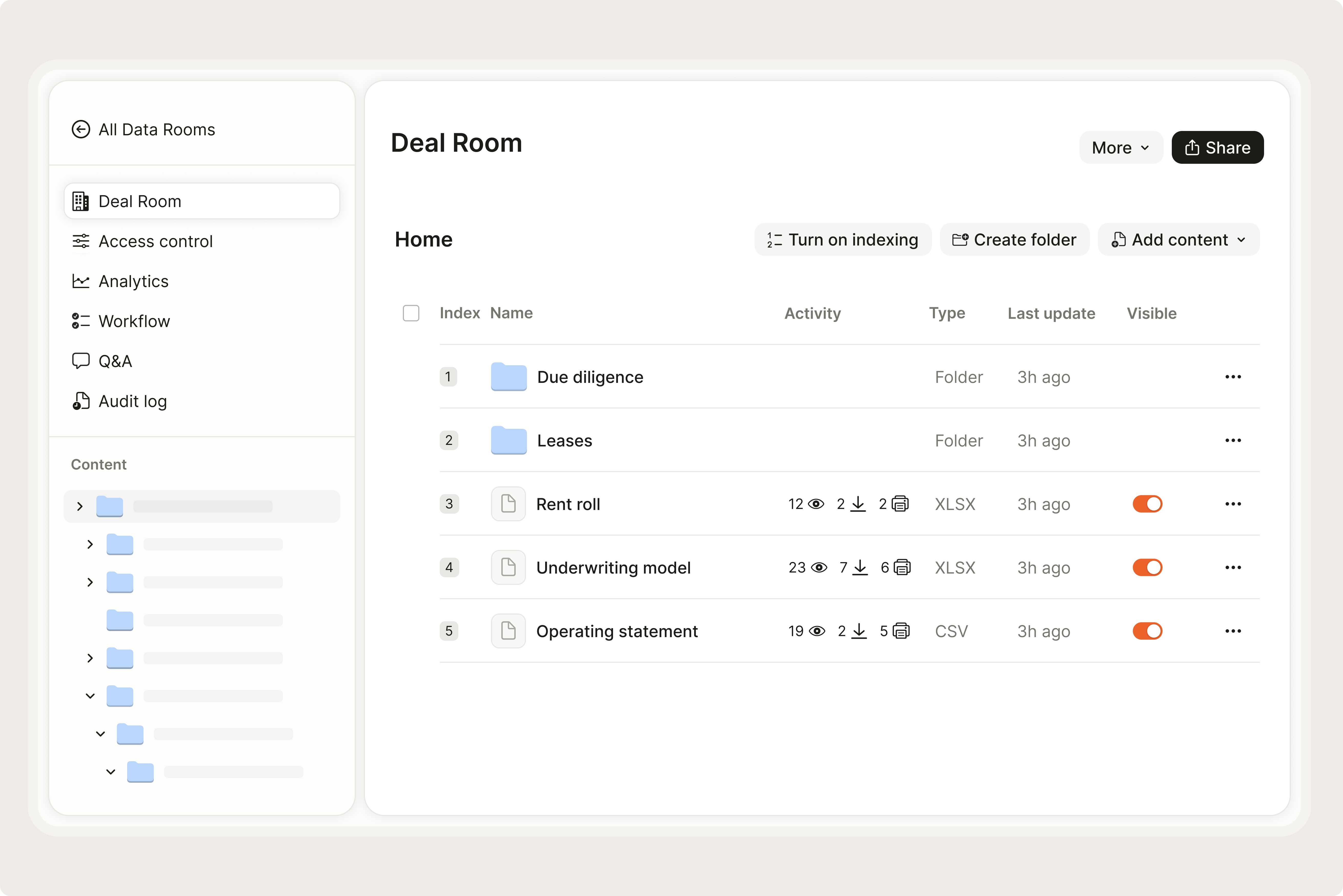
- 1.Upload South Carolina property files to a secure roomDrop ALTA title commitment, county RMC records, Phase I ESA, DHEC records, NOAA storm surge maps, coastal zone permits, and lease pack into Ellty.
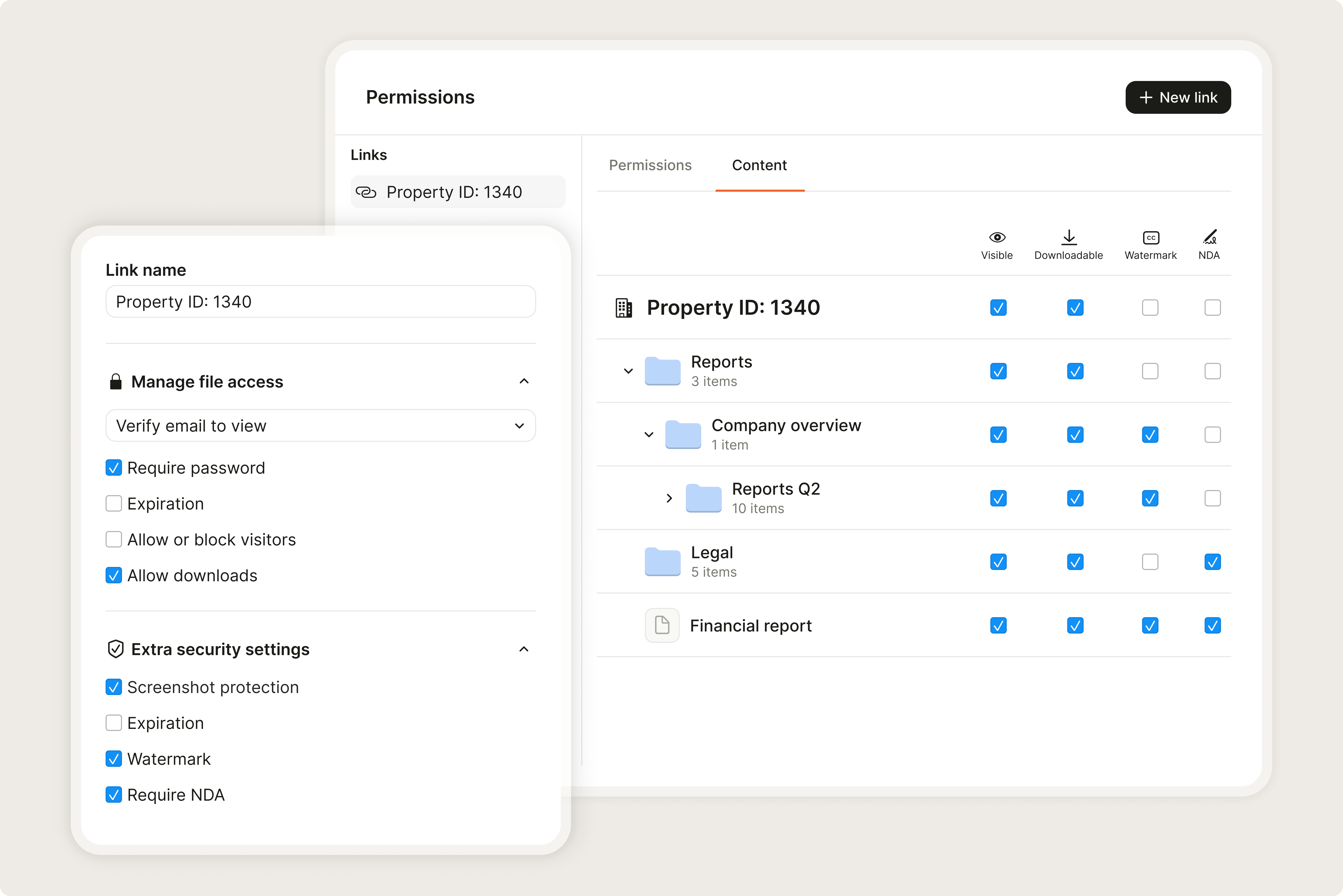
- 2.Give each advisor a scoped, tracked linkSC attorney sees title and RMC records. Environmental consultant sees DHEC and Phase I records. Insurance broker sees storm surge mapping and loss run. Ellty enforces the scope.
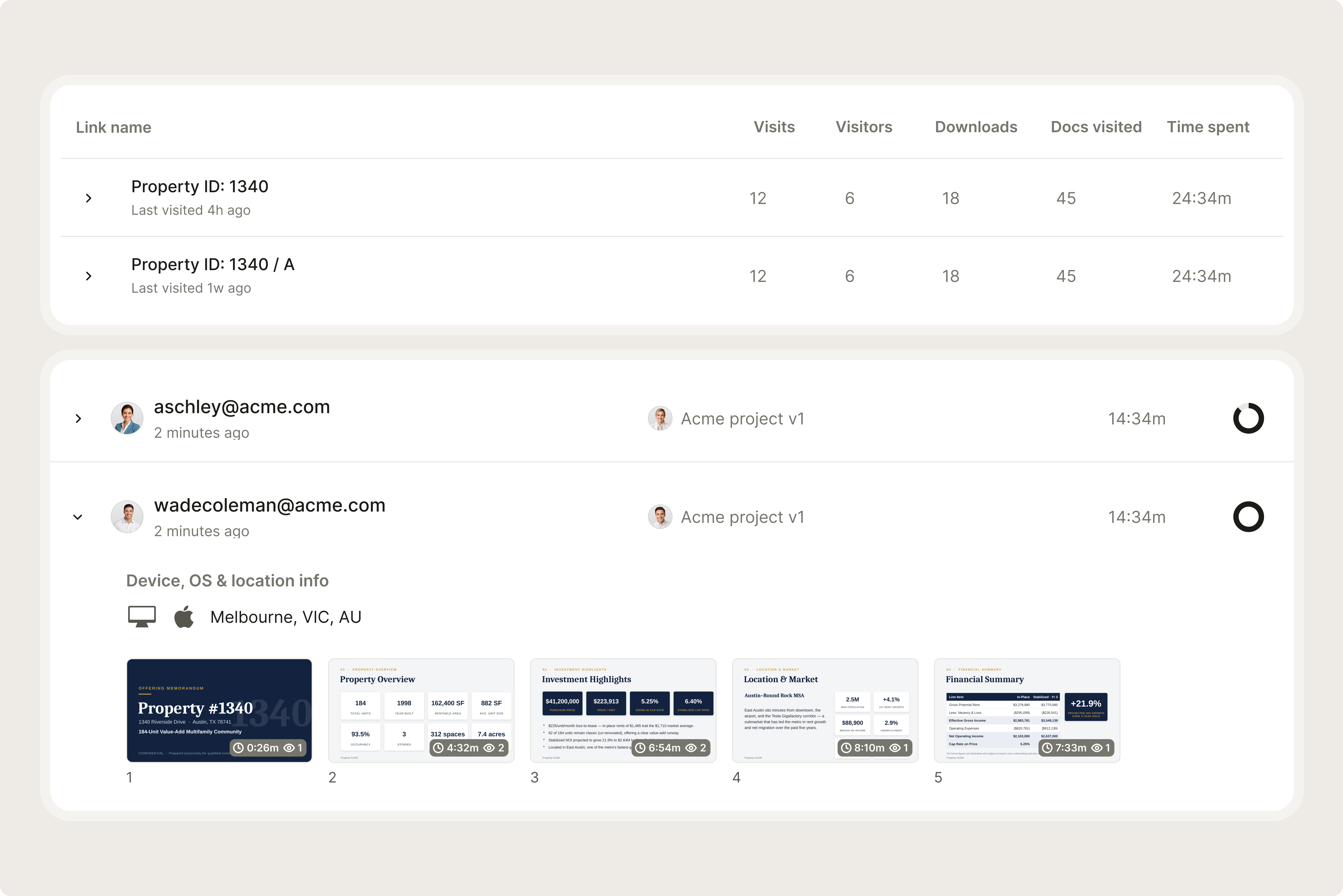
- 3.Monitor who reviews which documentsSee exactly which files each advisor opened and when. Catch PFAS or flood risk questions before they stall the attorney closing process.
What makes South Carolina different
The attorney closing requirement is the procedural difference that catches buyers from other states. In California, Washington, or Texas, title companies and escrow agents can handle closings without attorney involvement. In South Carolina, an SC-licensed attorney must supervise the closing and certify title. The attorney is engaged early in the deal; they coordinate title, deed stamps, and closing mechanics. Budget for both buyer's and seller's attorney fees; both parties typically use separate closing attorneys in SC.
Hurricane risk in South Carolina is annual, not decadal. The SC Atlantic coast from Myrtle Beach to Hilton Head sits in the direct Atlantic hurricane track. Hugo (1989) is the historical benchmark catastrophic event, but Matthew, Dorian, and Florence have demonstrated that major hurricane impacts are recurring, not once-in-a-generation events. For any SC coastal commercial asset: storm surge mapping is a first-day diligence item, wind and flood insurance quotes should be obtained before bidding, and 10-year loss runs should be reviewed for claims history.
Charleston's tidal flooding is no longer just a seasonal inconvenience. The frequency of tidal flooding events on Charleston's commercial streets has increased from roughly 2-4 events per year in the 1970s to 10-15+ events per year in recent years. Specific commercial streets in the Historic District (portions of East Bay Street, South Broad Street, and Tradd Street) flood with increasing regularity during high-tide events without any storm. This affects tenant operations, customer access, and ground-floor commercial use viability. Model it as an ongoing operational constraint, not a one-off event.
SC military base PFAS contamination is a real commercial property risk in multiple SC counties. The use of AFFF firefighting foam at military airfields created PFAS groundwater plumes that have migrated off-base in documented cases. Near Shaw AFB, Beaufort MCAS, and the former Myrtle Beach AFB, commercial properties with private well water sources require PFAS testing. For properties on public water systems near these bases: confirm the water utility's PFAS compliance monitoring results.
South Carolina Code of Laws Section 40-5-350 prohibits persons other than licensed South Carolina attorneys from supervising the closing of real estate transactions in South Carolina. A real estate closing includes the disbursement of funds, the execution of closing documents, and the recording of deeds and mortgages. Title insurance companies and escrow agents operating in South Carolina must ensure that all closings over which they have involvement are supervised by a South Carolina licensed attorney. The attorney certifies title to the buyer and ensures that the closing documents and deed recording comply with South Carolina law.
Timeline and cost in South Carolina
Weeks 1-2 cover kickoff: SC attorney engaged for title search, NOAA storm surge and FEMA FIRM review, PFAS screening for military-proximate sites, SC DHEC environmental database search, Phase I ESA commission, coastal zone (OCRM) check for coastal assets, and building permit history. Legal and advisory fees in this phase run USD 5,000-15,000.
Load all files into Ellty before advisors engage. SC commercial deals at major institutions move on 45-60 day timelines; having a centralized tracked data room from day one prevents the document-chase that adds weeks to attorney closings.
Weeks 2-5 cover deep review: Phase I ESA delivery, attorney title opinion, hurricane and wind insurance quotes, PFAS results for military-proximate sites, OCRM coastal zone compliance review, lease abstraction, and property tax review. Costs: USD 10,000-30,000.
Weeks 5-8 handle resolution: title exceptions cleared, DHEC environmental issues addressed, coastal zone compliance confirmed, wind and flood insurance bound, attorney closing preparation.
South Carolina total acquisition costs: Deed Recording Fee (~0.37%) + ALTA title insurance + SC attorney fees for both buyer and seller (typically USD 3,000-8,000 each) + Phase I ESA + appraisal. Total acquisition cost runs approximately 1.5-2.5% of purchase price on SC commercial deals. Hurricane and wind insurance premiums are the highest ongoing operating cost differential vs. inland US markets; model these costs throughout the hold period.
Running a South Carolina property deal from one room
Hold ALTA title, county RMC records, DHEC records, and storm surge maps in one secure, tracked Ellty data room.
Start free 14-day trialCommon questions about due diligence on South Carolina commercial property
- SC commercial deals typically close in 30-60 days. Attorney title search, Phase I ESA, hurricane and wind insurance procurement, and PFAS screening near military bases are the main lead-time items. Coastal Zone Management (OCRM) review for oceanfront assets and any Historic District BAR processes in Charleston add 30-60 days to development or renovation projects.
- South Carolina Code Section 40-5-350 requires that all real estate closings be supervised by a South Carolina licensed attorney. The attorney certifies title and supervises execution and recording of the deed and mortgage. Title companies and escrow agents can facilitate the process but cannot handle closings without attorney oversight. Engage your SC closing attorney at the beginning of diligence, not at the end; they coordinate title, Deed Recording Fees, and closing mechanics throughout the process.
- South Carolina charges a Deed Recording Fee (documentary stamps) at $1.85 per $500 of consideration, or approximately 0.37% of the purchase price. On a $5M commercial transaction, the Deed Recording Fee is approximately $18,500. The fee is typically a seller's obligation but is negotiable in the purchase agreement. South Carolina has no separate mortgage recording tax.
- SC coastal commercial property faces recurring major hurricane risk. Hurricane Hugo (1989, Category 4) remains the historical benchmark with catastrophic damage to Charleston and the Lowcountry. More recently, Matthew (2016), Florence (2018), and Dorian (2019) caused significant SC commercial flooding. For any SC coastal commercial property, review NOAA storm surge maps for Category 1-5 scenarios alongside FEMA FIRMs; obtain 10 years of hurricane loss history; confirm wind and flood insurance availability and premiums before bidding.
- Multiple SC military installations have documented PFAS groundwater contamination from AFFF (Aqueous Film Forming Foam) firefighting foam: Shaw Air Force Base (Sumter County), Marine Corps Air Station Beaufort, the former Myrtle Beach Air Force Base, and Fort Jackson (Columbia). Commercial properties with private well water sources within 3-5 miles of these installations require PFAS testing. SC DHEC has adopted PFAS monitoring requirements; confirm public water supply PFAS compliance for any property on public water near military bases.
- Charleston consistently ranks among the most tidal-flood-affected US cities. King tide flooding without storms now affects commercial streets in the Historic District and other low-elevation areas 10-15+ times per year, up from 2-4 times per year in the 1970s. Ground-floor commercial spaces in the oldest Charleston buildings can flood during king tides. For any Charleston commercial acquisition in a low-elevation area, review NOAA tidal flooding frequency data and king tide inundation mapping to understand the actual operational impact on the commercial use.