Mississippi CRE deals carry risks that trip up out-of-state buyers: severed timber and mineral rights on rural parcels, MDEQ brownfield records on former industrial sites, and Gulf Coast wetland restrictions that rarely appear on a basic title search. This checklist covers every check before you close in 2026.
Mississippi is a large and commercially varied state. Jackson, Gulfport, Biloxi, Hattiesburg, and Tupelo anchor distinct commercial submarkets. Each follows different zoning patterns and deal-flow norms.
Mississippi is a race-notice recording state. The first buyer to record a valid deed without notice of a prior claim wins priority. Out-of-state buyers who delay recording after closing create real title risk.
Timber rights and mineral rights are frequently severed from surface ownership in Mississippi. A parcel may transfer without those rights attached - and sellers don't always disclose the severance clearly.
Load all property files into your Ellty data room before diligence opens. Each advisor gets a scoped link on day one - no email chains, no version confusion when files update.
Where Mississippi property deals actually go wrong
Not every check carries the same weight. The table below sorts risks by impact on deal execution.
| Area | Documents to pull | Mississippi red flag | Matters most for | Tier | |
|---|---|---|---|---|---|
| Title and ownership | Title and ownership | Deed, title commitment, 40-year chain-of-title, chancery clerk search, tax certificate | Mississippi is a race-notice state; delayed recording after closing creates prior-claim exposure | All buyers | Dealbreaker |
| Timber and mineral rights | Timber and mineral rights | Timber deed search, mineral severance search, chancery clerk records, forestry lease review | Mississippi timber and mineral rights are routinely severed; surface buyer may get no rights to either | Rural, agricultural, timberland parcels | Dealbreaker |
| Zoning and land use | Zoning and land use | Zoning certificate, variance history, county land use map, Gulf Coast BOCC permits | Many Mississippi counties have no zoning outside incorporated areas; verify use rights in writing | Development, rural, Gulf Coast repositioning | Dealbreaker |
| Environmental - MDEQ records | Environmental - MDEQ records | Phase I ESA, MDEQ brownfield database, UST records, RCRA search, wetland delineation | Former industrial and port sites along the Mississippi River and Gulf Coast carry MDEQ open records | Industrial, port, Gulf Coast, older commercial | Dealbreaker |
| Leases and tenancies | Leases and tenancies | All leases, amendments, rent roll, estoppel certificates, sublease consents | Mississippi commercial markets include informal tenancy arrangements that don't appear on rent rolls | Income-producing assets | Price-adjuster |
| Building and physical condition | Building and physical condition | Property Condition Assessment, building permit history, certificate of occupancy, roof and envelope report | Mississippi heat and humidity accelerate envelope and roof degradation; older stock deteriorates fast | All asset types | Price-adjuster |
| Service charge and operating costs | Service charge and operating costs | 3y operating statements, county tax statements, CAM reconciliations, special assessments | Mississippi ad valorem tax rates vary significantly by county; confirm assessment class before modeling | Income-producing assets | Price-adjuster |
| Deed stamp tax | Deed stamp tax | Mississippi deed stamp tax receipt, chancery clerk filing confirmation | Mississippi deed stamp tax is $1.50 per $1,000 of consideration, paid by seller at closing | All deals | Price-adjuster |
| Insurance and valuation | Insurance and valuation | Current policies, loss run history, FEMA flood zone certificate, wind and storm surge check | Gulf Coast parcels face significant wind and storm surge exposure; standard policies often exclude both | Gulf Coast, low-lying parcels, flood zone parcels | Standard check |
| Utilities and access | Utilities and access | Utility connection records, MDOT access permits, private road easements, rural water district records | Rural Mississippi parcels frequently rely on private roads and rural water districts with transfer restrictions | Rural, agricultural, outstate parcels | Standard check |
| Seller KYC and AML | Seller KYC and AML | Entity docs, deed match, MS SOS search, bankruptcy search, judgment lien search, UCC filing search | Mississippi LLC must be in good standing with the Secretary of State before the chancery clerk records a deed | All deals | Standard check |
Due diligence on a Mississippi property?
Set up your Ellty data room before diligence starts.
Start free 14-day trialThe full Mississippi property due diligence checklist
Title and ownership
- Pull the deed and confirm the legal description matches the current ALTA survey exactly
- Order a 40-year chain-of-title search from the county chancery clerk
- Run a tax certificate search; confirm no delinquent ad valorem taxes or county tax sales are open
- Confirm the parcel ID matches all closing, survey, and tax documents before proceeding
- Verify the deed is recorded promptly after closing; Mississippi's race-notice rule rewards speed
- Confirm no open mechanic's lien claims against recent construction at the parcel
Timber and mineral rights
- Search the chancery clerk records for any prior timber deed or mineral rights severance
- Confirm whether timber rights are included in the conveyance or held separately
- Pull any existing forestry lease or timber cutting contract that may run with the land
- Check whether mineral rights have been severed and held by a third party
- For rural and agricultural parcels: assume severance until the chain-of-title confirms otherwise
- Confirm oil, gas, and other mineral lease status if the property is in an active production area
Load timber deeds and mineral severance records into Ellty before advisors arrive. Give title counsel and the forestry consultant scoped links - track who reviewed each file.
Zoning and land use
- Confirm current zoning from the city or county planning department in writing
- Note that many Mississippi counties have no zoning outside incorporated areas
- Pull the full variance and conditional use permit history from the local board of adjustment
- For Gulf Coast parcels: check Mississippi Department of Marine Resources and BOCC permits
- Verify all certificates of occupancy for buildings and improvements are current
- Confirm no open code violations or stop-work orders at the local building department
Environmental - MDEQ records
- Commission a Phase I ESA per ASTM E1527-21; port and industrial Gulf Coast parcels need extra scrutiny
- Search the MDEQ brownfield and voluntary cleanup program database for the parcel address
- Check MDEQ UST records for petroleum releases at or near the site
- Run an RCRA hazardous waste notification search through EPA's online system
- Request a wetland delineation on parcels near rivers, bayous, or the Gulf Coast shoreline
- Budget Phase II ESA at $8,000-$25,000 if recognized environmental conditions appear in Phase I
Leases and tenancies
- Collect all leases, amendments, and sublease consents before diligence opens
- Cross-reference the rent roll against 3 months of actual bank receipts from the seller
- Confirm estoppel certificates are deliverable before the scheduled closing date
- Identify any month-to-month occupancies or undocumented tenants at the property
- Check for tenant purchase options or rights of first refusal in any lease
- Flag any verbal tenancy arrangements common in smaller Mississippi markets
Building and physical condition
- Commission a Property Condition Assessment; prioritize roof and envelope for humidity and heat review
- Pull the full building permit history from the local building or inspectional services department
- Verify HVAC system condition; Mississippi's climate puts hard load on cooling equipment year-round
- Confirm ADA compliance documentation for all commercial spaces on the property
- Check for storm damage history; Gulf Coast assets regularly carry unrepaired hurricane damage
- For older industrial or warehouse assets: inspect loading dock and slab condition carefully
Service charge and operating costs
- Pull 3 years of operating statements and reconcile against county ad valorem tax statements
- Confirm property tax classification; Mississippi uses different rates for commercial vs. industrial
- Audit CAM pass-throughs against lease terms for all multi-tenant assets
- Check for any outstanding special assessments or municipal improvement district charges
Deed stamp tax and recording
- Calculate Mississippi deed stamp tax at $1.50 per $1,000 of consideration, typically paid by seller
- Confirm the deed is filed with the county chancery clerk after closing
- Check recording fees with the local chancery clerk; fees vary by county and document length
- Confirm whether any exemptions apply; certain government and nonprofit transfers may qualify
See how Louisiana's due diligence process compares - both states border the Gulf Coast but handle wetlands, environmental liability, and transfer taxes differently.
Use Ellty to give each advisor access only to the files they need. Title counsel sees title docs; the ESA firm sees environmental records. Track which files each advisor reviewed in real time.
Insurance and valuation
- Pull current insurance policies and a 3-year loss run history from the seller
- Check FEMA flood zone status on all Gulf Coast, riverfront, and low-lying Mississippi parcels
- Verify wind and named-storm coverage on any Gulf Coast or coastal plain asset
- Order an independent appraisal scoped to the intended use and lender requirements
Utilities and access
- Verify all utility connections are active and legally transferable at closing
- Check MDOT records for any state highway access permit requirements on the parcel
- Confirm rural water district membership and whether it transfers with the parcel at sale
- Confirm legal road access via recorded easement or dedicated public right of way
Seller KYC and AML
- Confirm seller identity matches the chancery clerk deed record exactly
- For LLC or corporate sellers: confirm good standing with the Mississippi Secretary of State
- Run bankruptcy, federal tax lien, and judgment lien searches before committing to close
- Confirm entity authority to sell; Mississippi LLCs require manager or member authorization in writing
How property due diligence in Mississippi works
Step 1 - Title search
Start the title search immediately after contract execution. Commission a 40-year chain-of-title at the county chancery clerk.
Confirm timber and mineral rights status in the same search. Mississippi severances go back generations and are easy to miss on a surface-only title review.
Step 2 - Survey and inspection
Order an ALTA/NSPS survey alongside the title search. Confirm the legal description, easement locations, and any access road or right-of-way issues.
Commission the Property Condition Assessment in parallel. Mississippi's heat and humidity accelerate roof and envelope deterioration on buildings more than 15 years old.
Step 3 - Leases and income review
Pull all leases and flag any informal tenancy arrangements first. Mississippi commercial practice in smaller markets includes undocumented occupants not on the rent roll.
See how Minnesota's diligence process compares if you run multi-state acquisitions - well disclosure, environmental frameworks, and transfer taxes are all handled differently.
Step 4 - Environmental review
Run the Phase I ESA and MDEQ database search in parallel. Former chemical plants, petroleum terminals, and port facilities along the Mississippi River corridor carry open cleanup records.
Load MDEQ search results and Phase I findings into Ellty so lenders and advisors can access them. Track who reviewed which file and when - no open folders, no missed sign-offs.
Step 5 - Closing and registration
Mississippi closings must be conducted by a licensed attorney. The closing attorney prepares the deed, collects deed stamp tax, and files at the chancery clerk.
Out-of-state buyers regularly miss timber and mineral rights severances and informal tenancy arrangements. Both create post-close liability when skipped.
How to set up your Mississippi data room in Ellty.
Load Mississippi property files before advisors arrive. Give each one a scoped link on day one.
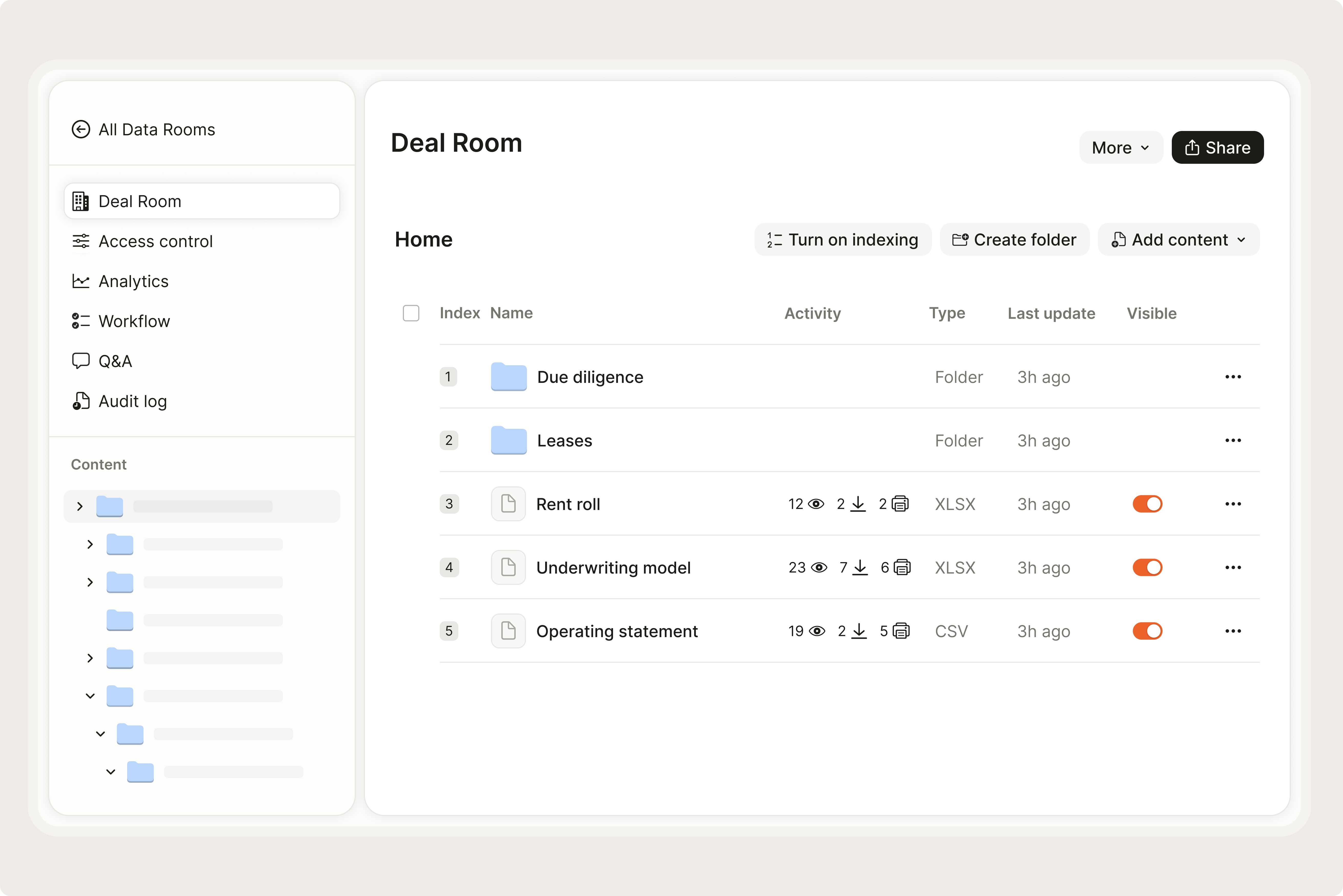
- 1.Create a data room and upload the property filesDrop title docs, leases, MDEQ search results, and timber deed records into Ellty. Each folder maps to a diligence area.
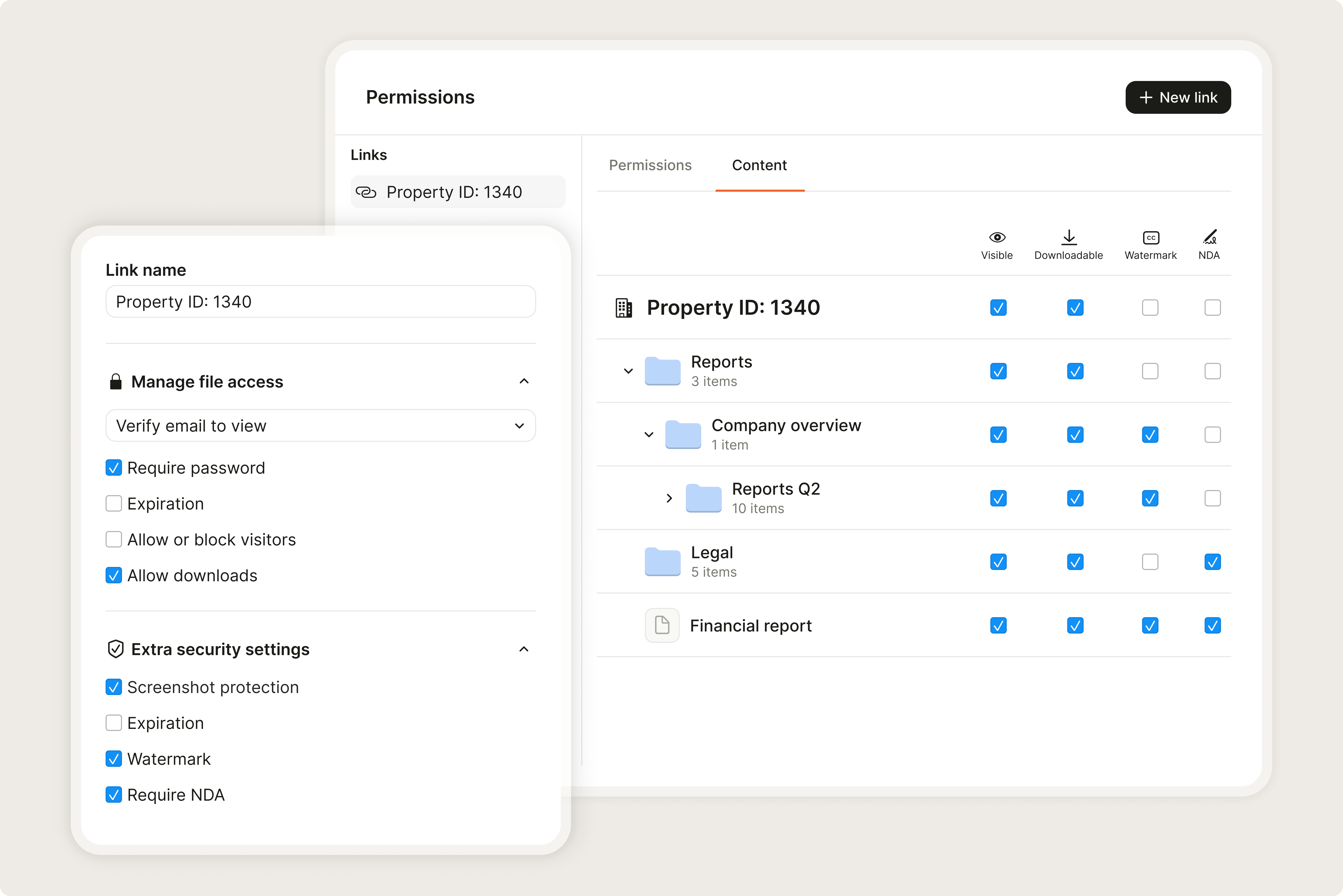
- 2.Give each advisor a scoped, secure linkYour title attorney sees title files only. The ESA consultant sees environmental files only. Ellty enforces the scope.
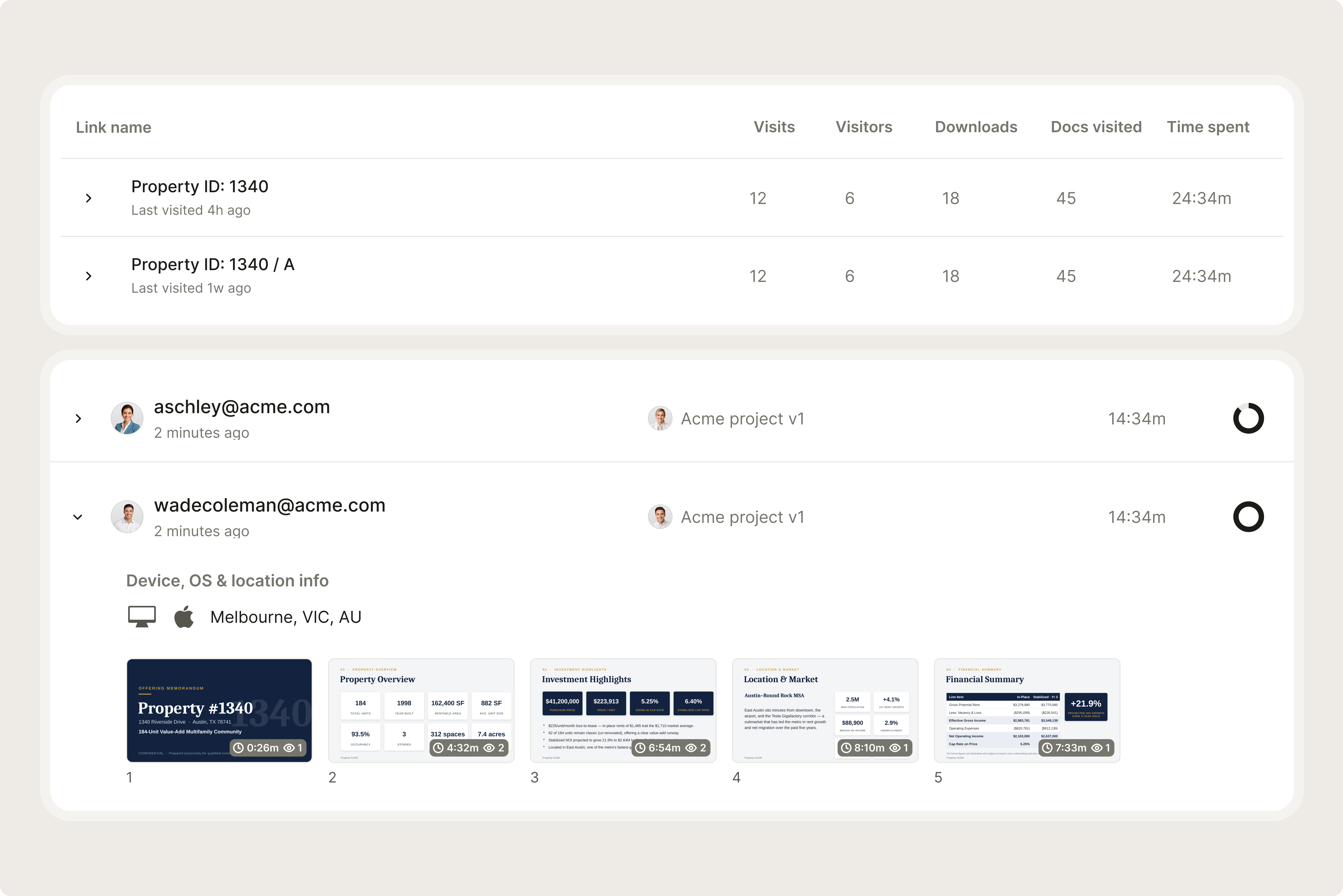
- 3.Track who reviews which documentsSee which files each advisor opened and when. Spot delays before they slow the Mississippi close.
What makes due diligence in Mississippi different
Timber and mineral rights severance is the first trap for out-of-state buyers. Mississippi has generations of severed timber and mineral interests recorded at the chancery clerk. A buyer who doesn't search specifically for those instruments may acquire surface rights only - and discover post-close that they don't own the timber or minerals below.
The absence of zoning in unincorporated areas catches development buyers. Most Mississippi counties have no zoning outside city limits. A parcel may be legally used for any purpose - which sounds like flexibility but creates problems when neighboring uses conflict with the intended development plan.
Gulf Coast storm and flood exposure is undermodeled by buyers from inland states. Harrison, Hancock, and Jackson counties carry significant wind, named-storm, and storm surge risk. Standard commercial property policies frequently exclude wind and storm surge as separate endorsements, and premiums have spiked sharply since Hurricane Katrina and Ida.
Timber rights in Mississippi are frequently severed from surface rights and recorded separately at the chancery clerk. A surface deed does not convey timber rights unless explicitly stated. Buyers must search specifically for timber deeds and cutting contracts that may survive the sale and bind the new owner.
Timeline and cost in Mississippi
Week 1-2 covers kickoff: chancery clerk title search, timber and mineral rights search, MDEQ database search, ALTA survey, Phase I ESA engagement, and attorney closing engagement. Budget $3,000-$6,500 for this phase.
Load all files into Ellty on day one and give each advisor a trackable scoped link. That removes weeks of email follow-up from a standard Mississippi diligence process.
Weeks 2-4 cover deep review: Phase I ESA delivery, Property Condition Assessment, lease abstraction, timber and mineral rights confirmation, FEMA flood zone check, and wetland delineation if applicable.
Cost for weeks 2-4 runs $4,500-$15,000 depending on Phase I scope and asset complexity. Phase II ESA adds $8,000-$25,000 if recognized environmental conditions surface; budget early on any Gulf Coast or port-adjacent parcel.
Weeks 4-6 handle resolution: Phase II if needed, title exception resolution, deed stamp tax calculation, and closing at the chancery clerk conducted by a licensed Mississippi attorney.
Mississippi deed stamp tax runs $1.50 per $1,000 paid by the seller. Buy-side legal fees typically run $2,000-$5,500 for a standard Mississippi commercial close. Deed stamp tax is price-linked; most other closing costs are fixed-fee.
Mississippi property files in one secure place
Track who reviews title, leases, MDEQ files, and timber deed records in Ellty.
Start free 14-day trialCommon questions about property due diligence in Mississippi
- Mississippi imposes a deed stamp tax of $1.50 per $1,000 of consideration, paid by the seller at closing. There is no separate county-level real estate transfer tax in Mississippi.
- Timber rights in Mississippi are routinely severed from surface ownership and recorded separately. Buyers must search specifically for timber deeds; a surface title search alone won't reveal severed timber interests.
- Yes. Mississippi is an attorney-closing state. A licensed Mississippi attorney must conduct the closing, prepare the deed, and file it with the county chancery clerk.
- MDEQ is the Mississippi Department of Environmental Quality. It maintains brownfield, UST, and cleanup records. Former industrial and port parcels frequently carry open MDEQ site records.
- Gulf Coast parcels in Harrison, Hancock, and Jackson counties face wind, storm surge, and flood risk. Standard policies often exclude wind and named-storm coverage; buyers need separate endorsements.
- Standard Mississippi deals close in 30-60 days. MDEQ environmental findings, timber rights disputes, or Gulf Coast insurance issues regularly push timelines past 60 days on complex parcels.